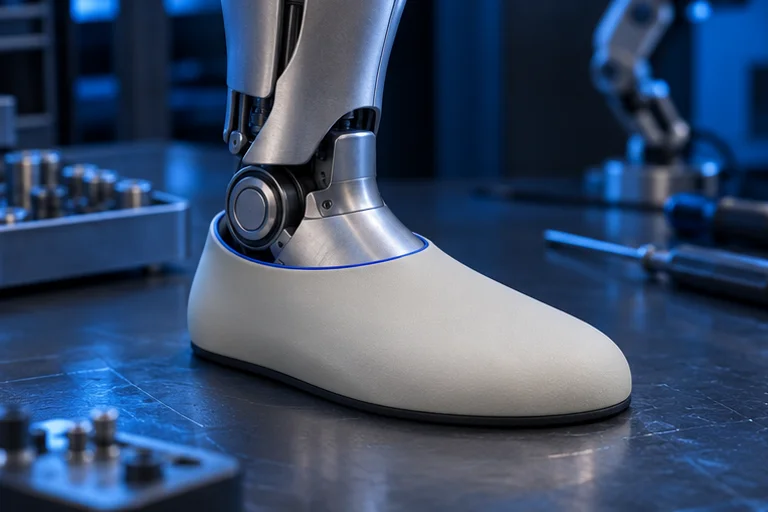
TPU vs. rubber for humanoid robot footwear
Compare the jobs of an upper and outsole, then ask for the material grade, tread geometry and evidence that matter on your floor.
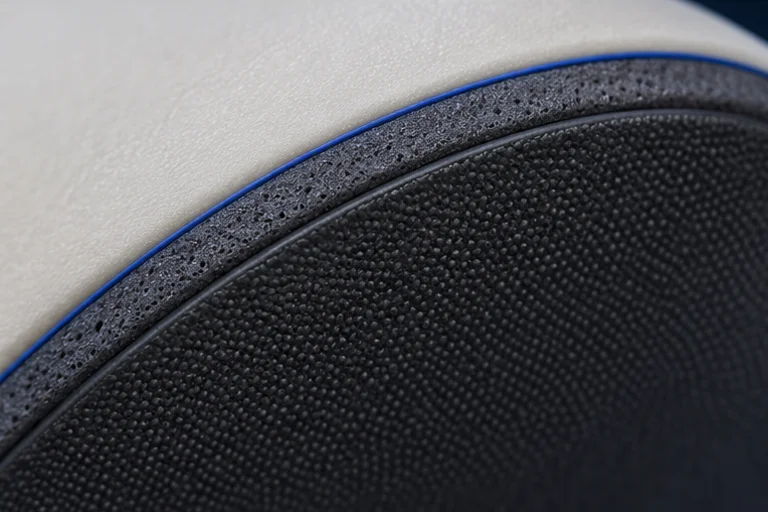
Treat the upper and the outsole as two different design jobs. The upper has to retain the robot’s foot while leaving room around moving parts. The outsole determines how and where the assembly contacts the floor.
Where TPU can be useful
Thermoplastic polyurethane, or TPU, is available in different hardness ranges and chemistries. A flexible grade can be considered for a shell that needs to flex around a retention feature. A stiffer grade can support a more defined shape. Part thickness, manufacturing process and print orientation can change how the finished part behaves, so ask for data on the actual part as well as the material.
What to ask about a rubber outsole
Ask for the rubber compound or grade, hardness, thickness and tread profile. Request a drawing of the contact face and clarify which parts of the tread carry the load. The same compound can behave differently depending on the floor, contamination and the test movement.
Compare finished assemblies on your surface
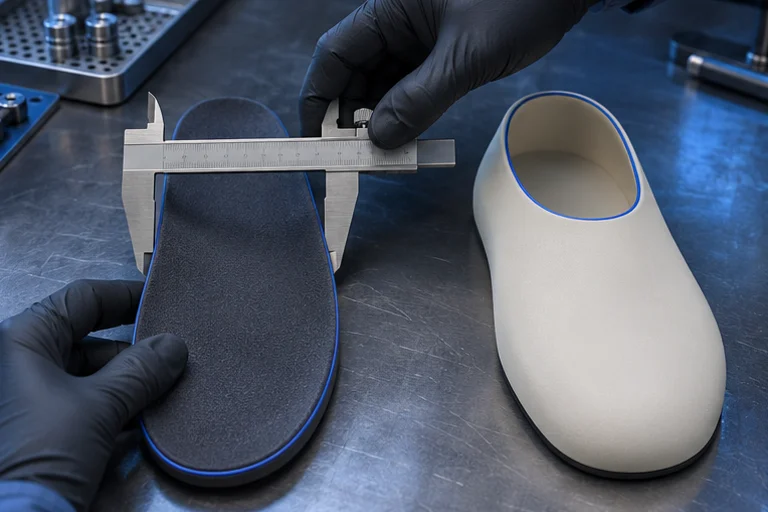
Collect the mass per shoe, sole stack height and retention method alongside material specifications. If the project requires movement, plan a documented trial on the intended surface with the robot operator. For repeat use, record whether the contact layer can be inspected or replaced and what wear limit the supplier specifies.